
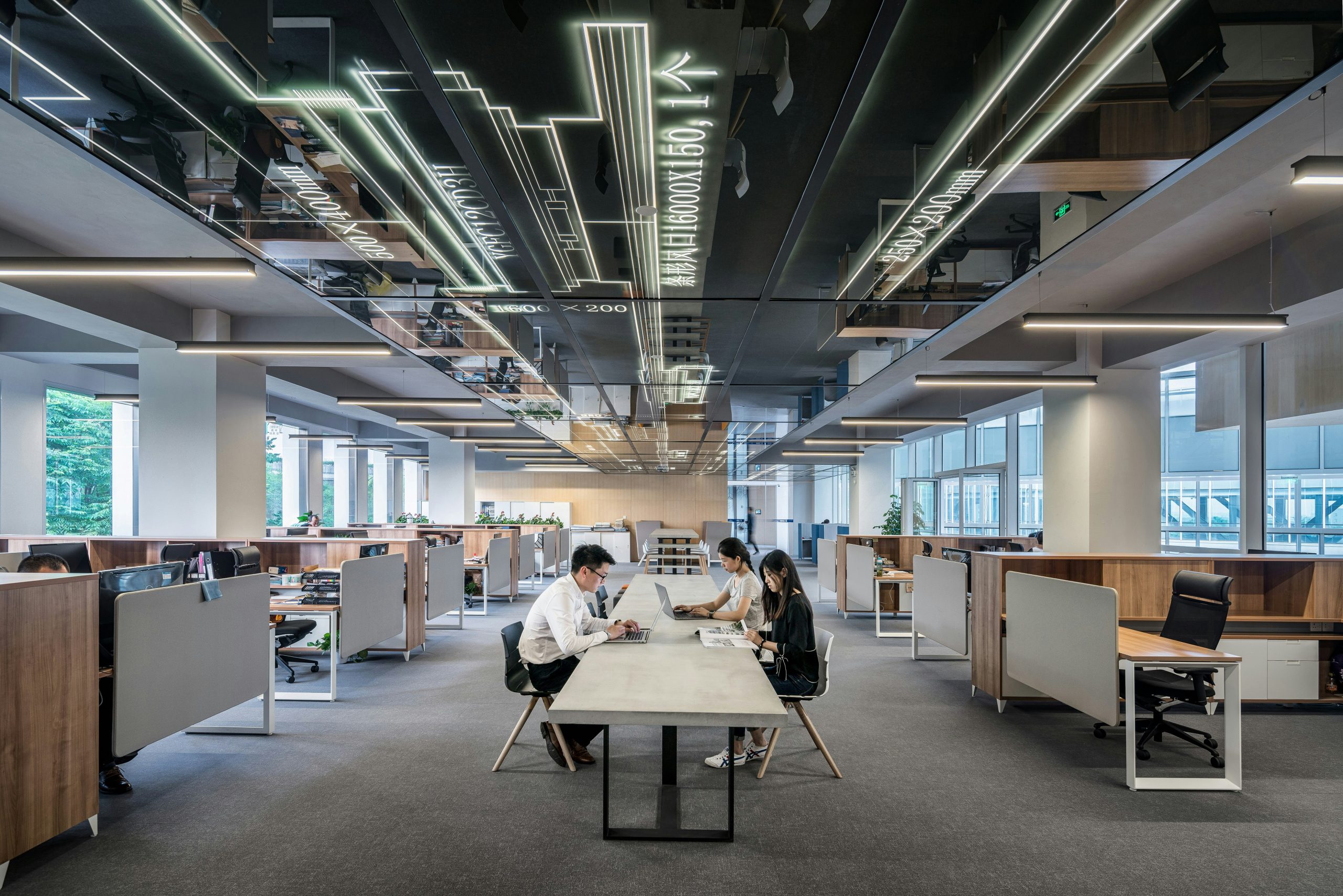
With the benefits of working from home being made clear, it is evident that allowing for hybrid working would be an excellent means of boosting productivity of any team. Not only does it provide people to have an easier start to the day and work from the comfort of home, but any who want to come in and have a social aspect will truly enjoy and appreciate it.
However, it can sometimes be tricky to make it work well. The balance can be easily thrown off, people may just prefer to be at home if the office isn’t a great workspace, or people may just feel removed from the work environment. There are many considerations to be kept in mind, here are some of them.
Outline Your Hybrid Model
Firstly, it is important to determine your own definition of hybrid working. This could be how many days your employees actually work in the office: is it worth giving people complete freedom or would you rather a set number of days? Additionally, there may be different roles or teams which would benefit from more days in or those who can work completely remote and may not need as much of a social aspect to thrive.
Hybrid working in the UK is becoming increasingly established; 28% of working adults in the UK were in hybrid roles between January and March 2025. It isn’t just a fad, it’s a genuinely effective way of working, provided you make the correct decisions after considering the wants and needs of your teams, aligned with your goals.